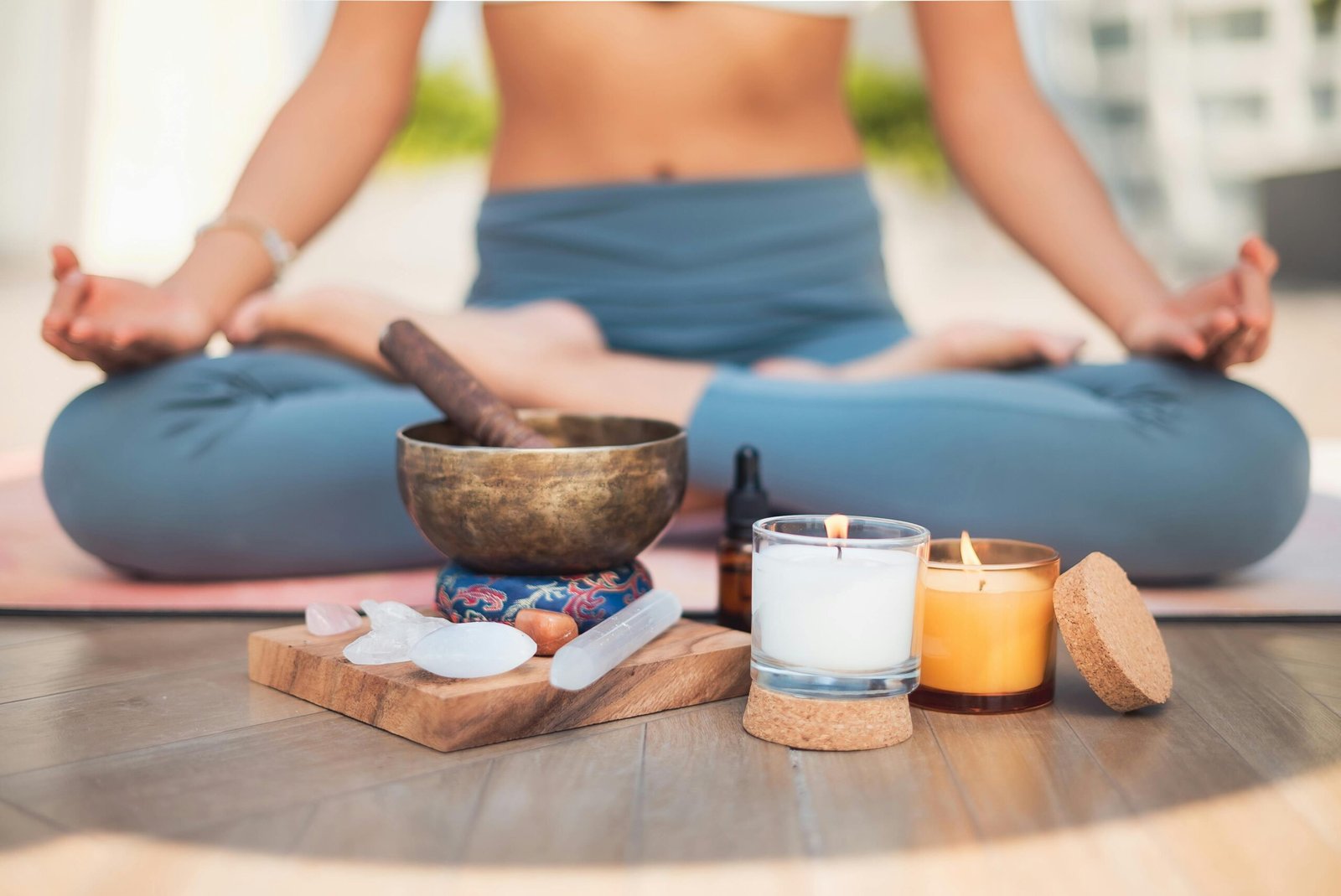
Meditation can be a really beneficial way to clear your head, deal with stress, and be happier in general. And fortunately, no special skills or equipment are necessary to begin this process! This will be a straightforward guide to a number of different ways you can start meditating as a beginner.
What does it mean to meditate?
It is a technique that focuses on one thing and shuts out distractions, thereby allowing you to enter into a tranquil and aware state of being when you meditate. Many cultures have been practising meditation for thousands of years, but it continues to be an effective way to gain emotional equilibrium, improve mental health, or enhance one’s overall health.
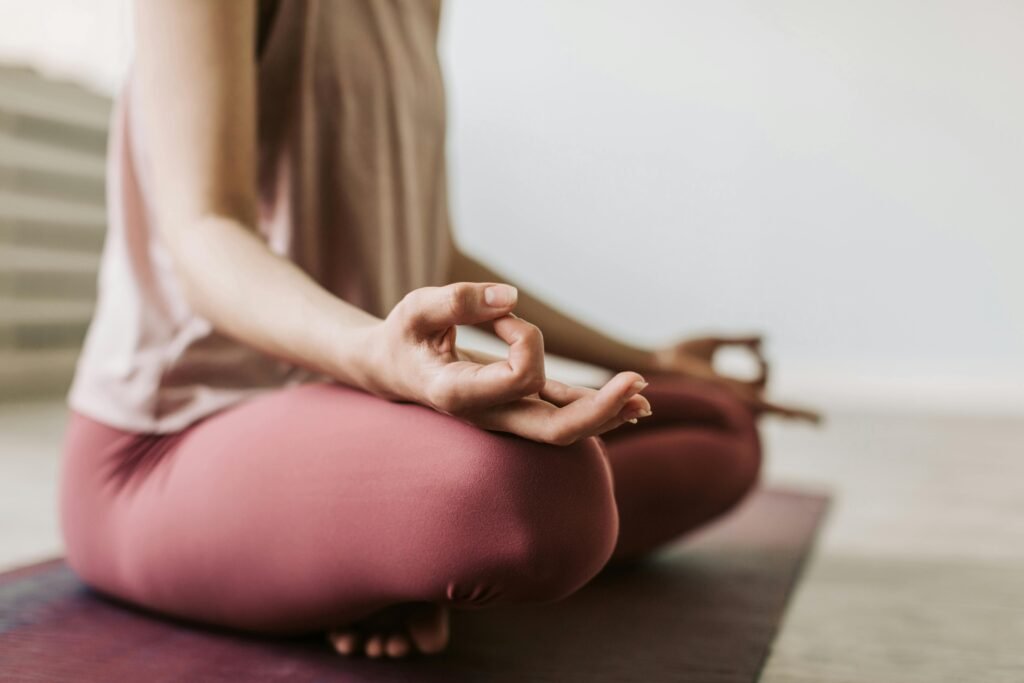
The Benefits of Meditation for Beginners
This list outlines some of the positive outcomes associated with meditation prior to looking at actual practices:
- Stress and Anxiety Relief
- Increase in Concentration
- Improve Emotional Balance
- Better Sleep Patterns
- Increase in Self Knowledge
1.Deep Breathing Techniques for New Meditators
This is one of the simplest types of meditation available to newer practitioners.
Steps to Do This:
- Find a quiet location and get yourself settled in comfortably
- Close your eyes and relax your body
- Take a deep breath through your nose
- Slowly release your breath through your mouth
- Focus entirely on your breath
Begin practicing 3-5 minutes a day and build up from that amount of time.
2. Body Scan Exercise
This practice allows you to pay attention to the physical sensations in your body.
How To:
- Lie down or sit somewhere comfortable.
- Close your eyes and relax.
- Think about all the different parts of your body starting with your toes.
- Gradually work your way up through your body until you reach your head.
- If you notice any areas that feel tense, let go of that tension.
3. Mindfulness Meditation
Mindfulness is about living in the present moment.
How To:
- Concentrate on either breathing, listening, or visualizing.
- When your thoughts wander, simply redirect them back to your point of focus.
- Do not have an opinion on your random thoughts.
4. Guided Meditation
If you find it challenging to meditate without sound or movement, this may be a helpful way for you to develop meditation skills.
How To:
- Utilize apps, videos, or audio to assist you with guidance as you meditate.
- Ultimately, follow whatever instructions are given by an instructor.
- Listen to the instructor’s voice to support you with your breathing and thoughts.
5. Mantra Meditation
A mantra is a word or phrase that is said over and over again while meditating.
Some examples:
- “Peace”
- “Calm”
- “I am rel
How To:
- Sit down in a comfortable position.
- Mentally or verbally repeat your mantra.
- Concentrate on the sound of your mantra and the rhythm it creates.
How long should beginners meditate?
- Start slow by doing only about 5 minutes of meditation each day and gradually increasing it up to 10-20 minutes.
- Be consistent with daily meditations more than you focus on how long you are meditating.
Tips for success
- Find a calm and comfortable place to meditate.
- Be patient with yourself.
- Don’t worry about “doing it right”.
- Be sure to practice every day for the best results.