For many people, experiencing short-term stress and/or anxiety due to facing life’s difficulties is completely normal; the problem however is that experiencing chronic stress and/or prolonged anxiety can have a serious negative effect on both their mental health and their physical health.
The good news is that you do not have to make drastic changes to your lifestyle or spend a lot of money to reduce your stress levels. By making basic changes in the way you approach your daily life on a consistent basis, you can significantly enhance your emotional contentment; mental clarity; and overall well-being. One way to do this is by changing your daily habits and prioritizing self-care to create a more naturally-balanced lifestyle.
The good news is that you do not have to make drastic changes to your lifestyle or spend a lot of money to reduce your stress levels. By making basic changes in the way you approach your daily life on a consistent basis, you can significantly enhance your emotional contentment; mental clarity; and overall well-being. One way to do this is by changing your daily habits and prioritizing self-care to create a more naturally-balanced lifestyle.
1. Create a Regular & Consistent Daily Routine
An excellent way to decrease stress in life is by creating a routine for yourself. Having structured days will lead to less unpredictability in your day-to-day activities; thus, giving you a greater chance of decreasing anxiety levels. Therefore, to create a routine that closely reflects your normal daily schedule would provide you with a greater sense of control over your life.
You should:
- Go To/Be In Bed At The Same Time Each Day
- Have Regular Meal Times
- Track Your Work Periods & Times For Relaxation
- Set Reasonable Daily Goals
Having a predictable daily schedule will help develop better sleeping patterns and create healthier coping mechanisms, as well as provide less pressure on your ability to function on a daily basis. Additionally, doing little types of regular habits that promote peaceful rest, such as drink a warm cup of tea before bed, can easily restore some of your peace.
2. Be Physically Active On A Consistent Basis
Physical Activity is one of the most effective and natural ways you can relieve the effects of both Stress and Anxiety. When practicing any form of physical activity, your body releases Endorphins (the chemicals that produce natural mood elevation) as well as reducing your levels of the Stress hormone Cortisol.
You do not have to exercise strenuously to produce any benefits; virtually anything considered physical activity can produce results. Activities you may want to consider include:
- GoingForA Nature Walk
- Practicing Yoga
- Biking
- Swimming
- Dancing
- Basic Stretching Exercises
3. Improve the Quality of Your Sleep.
Many times you experience an increase in anxiety – due to lack of sleep – which is the result of an increased amount of stress and tension created by not sleeping well. As such, it can create a vicious cycle: when you are anxious, you are less likely to fall asleep at night; when you don’t get sleep nightly, your stress levels increase. Good sleep is one of the most important elements for keeping balanced emotionally.
In order to establish good sleep habits, try these tips:
- Getting 7 – 9 hours nightly;
- Limiting screen time at least 30 – 60 minutes prior to going to bed;
- Reducing caffeine intake after 12:00PM;
- Keeping your bedroom somewhat cool, fairly dark, and very quiet;
- Having a relaxing sleep-time routine.
By achieving healthy and restorative-sleep habits, it will be less difficult for you to handle day-to-day challenges; therefore, enhancing your ability to perform well with correspondence throughout the day and strengthening your emotions to improve concentration.
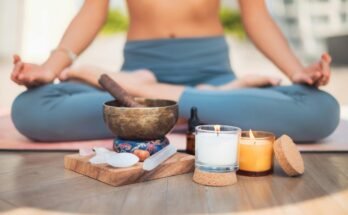
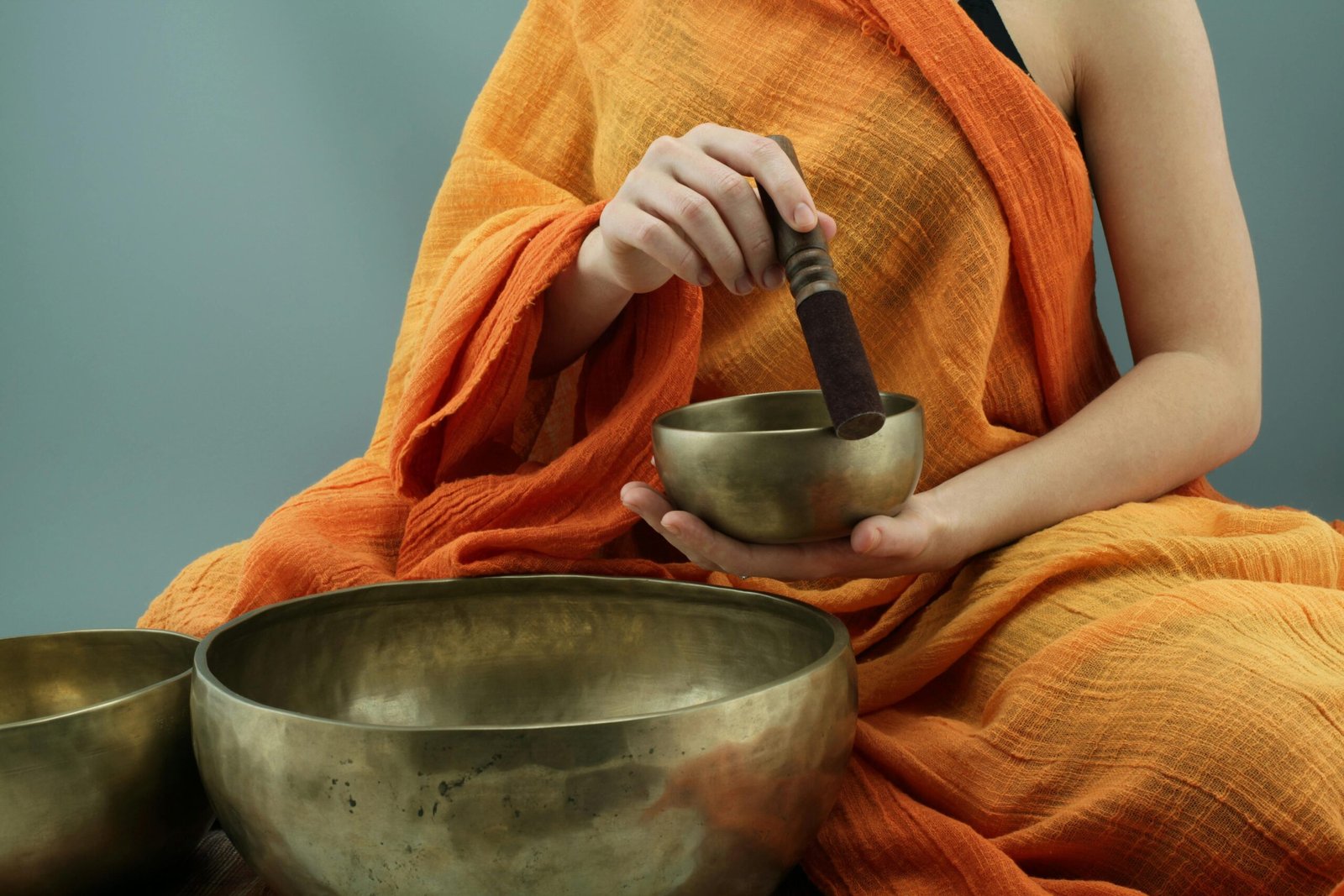
4. Practice Mindfulness & Self-Meditation
Mindfulness is when you focus on the here and now—without judging. Many people have anxiety because they worry about things that could happen in the future or they think too much about things that have already happened. Mindfulness techniques allow you to concentrate on what is going on “right now”.
Mindfulness can be practiced in several ways, such as:
- By doing deep breathing exercises
- By using guided meditation
- By journaling
- By relaxing your muscles progressively
- Through body scans
Spending 5 to 10 minutes per day practicing deep breathing will help calm your nervous system and to reduce your heart rate. With time, the more you practice mindfulness; the less anxiety you will have. Practicing mindfulness will also help develop your emotional intelligence.
5. Maintain a Healthy Diet
Eating affects how you feel. A good diet will keep your brain working well and will help to keep your mood stable. Excess sugar, processed foods, and excess caffeine, can make you feel more anxious than you usually do.
To help support a healthy mind, you should:
- Increase your fruit and vegetable intake
- Eat more whole grains and low-fat proteins
- Drink water throughout the day
- Limit your caffeine and alcohol intake
Omega-3 fatty acids (found in fish, nuts) also help with brain function; keeping your blood sugar stable will prevent mood swings and irritability.
6. Increasing Social Support
Social connections are essential to maintain good mental health. Meaningful relationships can alleviate the stress and anxiety caused by isolation. Having a support system helps you gain comfort and perspective on circumstances in your life.
Suggestions for improving social support:
- Make time with friends and family
- Attend social or hobby groups
- Be honest about how you are feeling
- Seek help from a professional if needed
Talking about your problems with someone who can be trusted usually helps relieve some of the emotional burden. Being heard and understood builds resilience to handle stress.
7. Reduce Digital Overstimulation and Use of Social Media
Constantly being exposed to different forms of media (news, social media, etc.) and not having any control over how much screen time we have may lead to an increased feeling of anxiety. While screens and technology can be beneficial, having too much exposure from a screen can also lead to overstimulating our brains.
You might want to think about:
- Setting boundaries to how much time you spend each day on a digital device.
- Turning off notifications that are not necessary.
- Taking breaks from being connected through electronic devices on a regular basis.
- Avoiding any negative or stressful social online content.
By having boundaries with technology, you will give your mind the chance to return to a healthy state, and your mind will have time to refresh and rejuvenate itself.
8. Have a Positive Attitude and Express Gratitude
When you change your thinking from what is bothering you to what is good in your life it can help to lower your stress level. By practicing gratitude you are rewiring your brain to focus on the good things that happen to you and not on what you are worried about.
Try these things:
- Write down 3 things that you feel grateful for each day.
- Reflect on your positive accomplishments.
- Celebrate your small successes along the way.
As you develop this habit it will allow you to be more optimistic and balanced emotionally.
9. Develop Time Management Skills
If you do not manage your time properly, last-minute deadlines create undue stress and contribute to an excessive workload. If you organize your time better you will reduce your stress level and improve your productivity.
Some tips to practice include:
- Prioritize your tasks by importance.
- Break large projects down into smaller tasks.
- Use a planner (or electronic calendar).
- Avoid procrastination.
When you learn to break your workload down into manageable portions, you will significantly reduce your anxiety.
10. Ask for Professional Assistance
If making lifestyle changes were enough, many people would not need to ask for help from another human being. Most of us will have times when our levels of stress and anxiety exceed what we feel we can handle, and those feelings continue for a length of time and affect the normal day-to-day life we typically experience. Getting professional assistance is important during these times because a mental health professional can help you manage your stress and anxiety levels to an acceptable level by developing individualized treatment plans and helpful coping strategies.
It is acceptable to seek assistance from professionals who handle the issue of emotional well-being, just as it is acceptable to get help when dealing with physical issues.
Summary
Making many small lifestyle changes can have dramatic, long-term impacts on alleviating stress and anxiety. Establishing a routine, regular physical activity, quality sleep, developing a mindfulness practice, healthy eating, and maintaining strong relationships, all help to promote a stable emotional state.
The most important thing you can do for yourself is to consistently incorporate these small changes into your daily living. Start with one or two small changes, and as you work to build healthy habits, make additional changes over time. Daily small, progressive steps will allow you to take control of your life, and develop a greater resilience to stress or anxiety, so you can lead a more balanced lifestyle.
Keep in mind: managing stress does not require you to rid yourself of all your challenges. However, managing stress will allow you to develop the skills necessary to deal with your challenges in an effective manner.