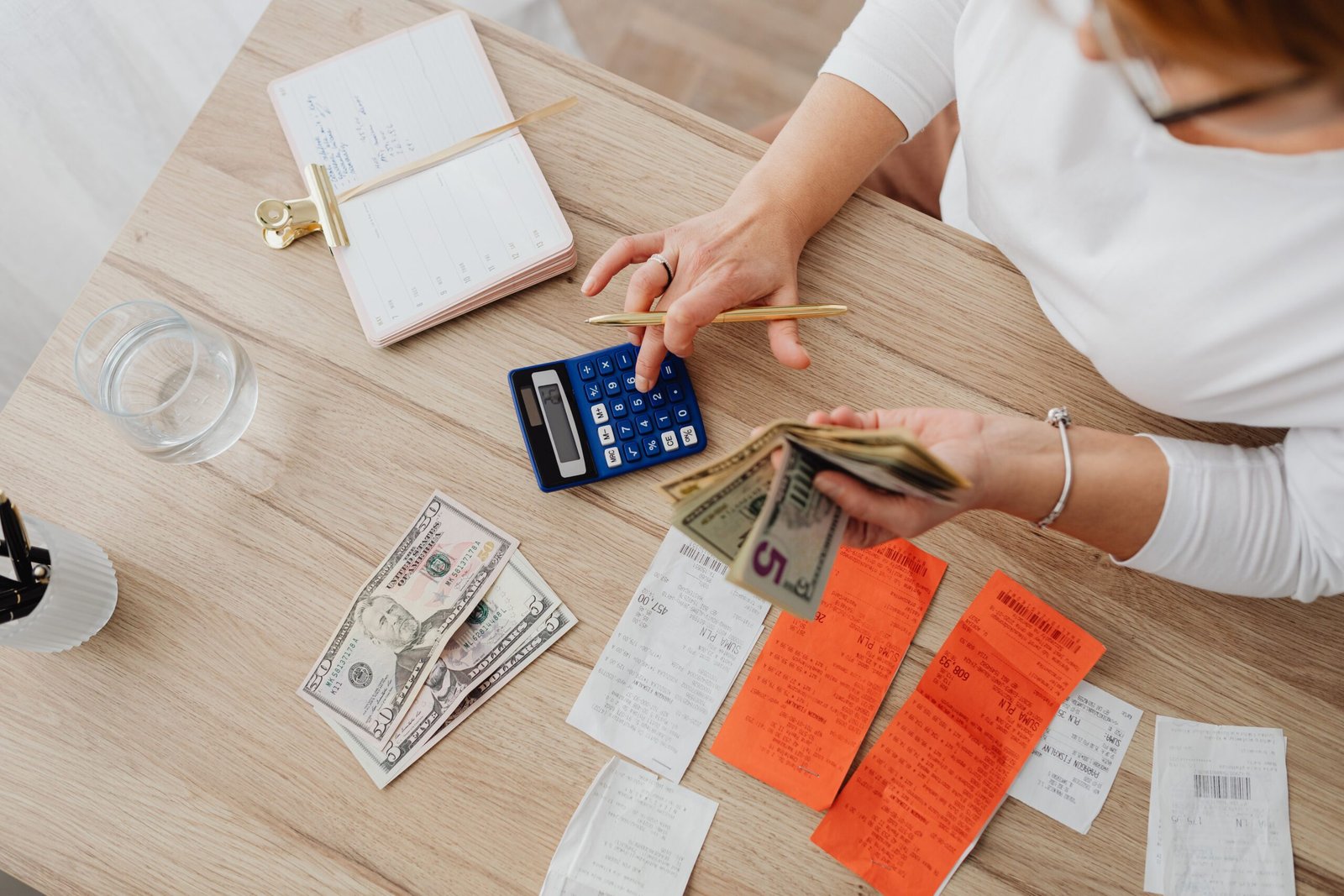
Starting a digital product store seems to be one of the cheapest business ideas that one can think of. The reason being that you create your product only once, upload it, and start selling it. This, however, is somewhat true since the reality is that in order to run a successful and profitable digital company you still will have to incur different types of expenses. Some of them you will expect, while others will be surprising.
In order to see where my money was going, I began tracking every dollar that I spent in the first 90 days of my digital product store operations. From software subscriptions to marketing experiments, this is the complete breakdown of my expenditures together with my learnings.

Why I Tracked Every Expense
Many new entrepreneurs focus heavily on revenue while ignoring expenses. A store might generate $2,000 in sales, but if it costs $1,700 to operate, the profit is much smaller than it appears.
By tracking every expense from day one, I wanted to:
- Understand my true profit margin.
- Identify unnecessary spending.
- Learn which investments actually generated sales.
- Build a sustainable business instead of chasing vanity metrics.
My First 90-Day Expense Breakdown
1. Website & Hosting — $72
Even though several marketplace platforms exist, I wanted my own branded website.
Expenses included:
- Domain registration
- Managed hosting
- SSL certificate (included with hosting)
Having my own website gave me full control over branding and customer experience.
2. Store Platform — $117
I chose a premium e-commerce platform that handled:
- Product delivery
- Secure checkout
- Customer accounts
- Order management
While free alternatives exist, the premium features saved time and reduced technical headaches.
3. Design Tools — $45
Professional-looking products matter.
I spent money on:
- Graphic design software
- Mockup templates
- Icon packs
- Premium fonts
These purchases improved product presentation and increased customer trust.
4. AI & Writing Tools — $58
Creating digital products requires a lot of writing.
I used AI tools for:
- Product descriptions
- Marketing copy
- Brainstorming ideas
- Editing content
Rather than replacing creativity, these tools sped up the workflow significantly.
5. Email Marketing — $39
Building an email list was one of my priorities.
Costs included:
- Email automation
- Welcome sequences
- Newsletter templates
Although the list was small during the first 90 days, email subscribers converted better than social media traffic.
6. Marketing & Advertising — $220
This was my largest expense.
I experimented with:
- Facebook Ads
- Pinterest promotions
- Google Ads
- Small influencer collaborations
Not every campaign performed well.
Some generated no sales at all, while others produced consistent returns.
The biggest lesson was that testing small budgets beats spending large amounts too early.
7. Product Creation Resources — $63
Creating quality digital products required additional assets.
These included:
- Stock illustrations
- Presentation templates
- Productivity resources
- Research materials
Good resources reduced production time and improved product quality.
8. Miscellaneous Expenses — $41
Small costs added up quickly:
- Cloud storage
- Backup services
- Automation tools
- Payment processing fees
Individually these looked insignificant, but together they became a meaningful part of the budget.
Total Spending After 90 Days
| Category | Cost |
|---|---|
| Website & Hosting | $72 |
| Store Platform | $117 |
| Design Tools | $45 |
| AI & Writing Tools | $58 |
| Email Marketing | $39 |
| Marketing & Advertising | $220 |
| Product Creation | $63 |
| Miscellaneous | $41 |
| Total | $655 |
Revenue During the Same Period
While expenses totaled $655, the store generated:
- Gross Revenue: $1,980
- Operating Expenses: $655
- Net Profit: $1,325
The business wasn’t generating life-changing income yet, but it proved the model worked.
More importantly, every month showed improvement.
What Was Worth the Money?
Looking back, these investments produced the highest return:
- Email marketing software
- Professional website
- High-quality product mockups
- AI writing assistance
These tools either saved hours of work or directly improved conversions.
What I’d Skip Next Time
If I started over, I’d reduce spending on:
- Broad paid advertising
- Too many software subscriptions
- Premium assets purchased “just in case”
It’s surprisingly easy to subscribe to tools you barely use.
Biggest Lesson After 90 Days
The most important realization wasn’t how much I spent—it was how intentionally I spent it.
Every expense should answer one question:
Does this help create a better product, reach more customers, or save valuable time?
If the answer is no, it’s probably not worth buying.
Tracking expenses also made budgeting easier, reduced financial stress, and showed exactly where future investments would have the greatest impact.
Final Thoughts
Running a digital product store isn’t free, but it’s far more affordable than many traditional businesses. With careful planning, disciplined spending, and regular expense tracking, it’s possible to build a profitable online business without a massive upfront investment.
After my first 90 days, the numbers showed something encouraging: success wasn’t about spending more—it was about spending smarter.